 Myotherapy Williamstown
Pain that keeps coming back? Let's understand what's going on.
That recurring shoulder pain. A stiff neck that never seems to settle. An injury that keeps getting in the way of training.
When the same symptoms keep returning, it may be time for a closer look.
At Williamstown Health + Lifestyle, our myotherapy appointments combine clinical assessment, hands-on treatment and practical management strategies tailored to your needs.
Book Myotherapy What to Expect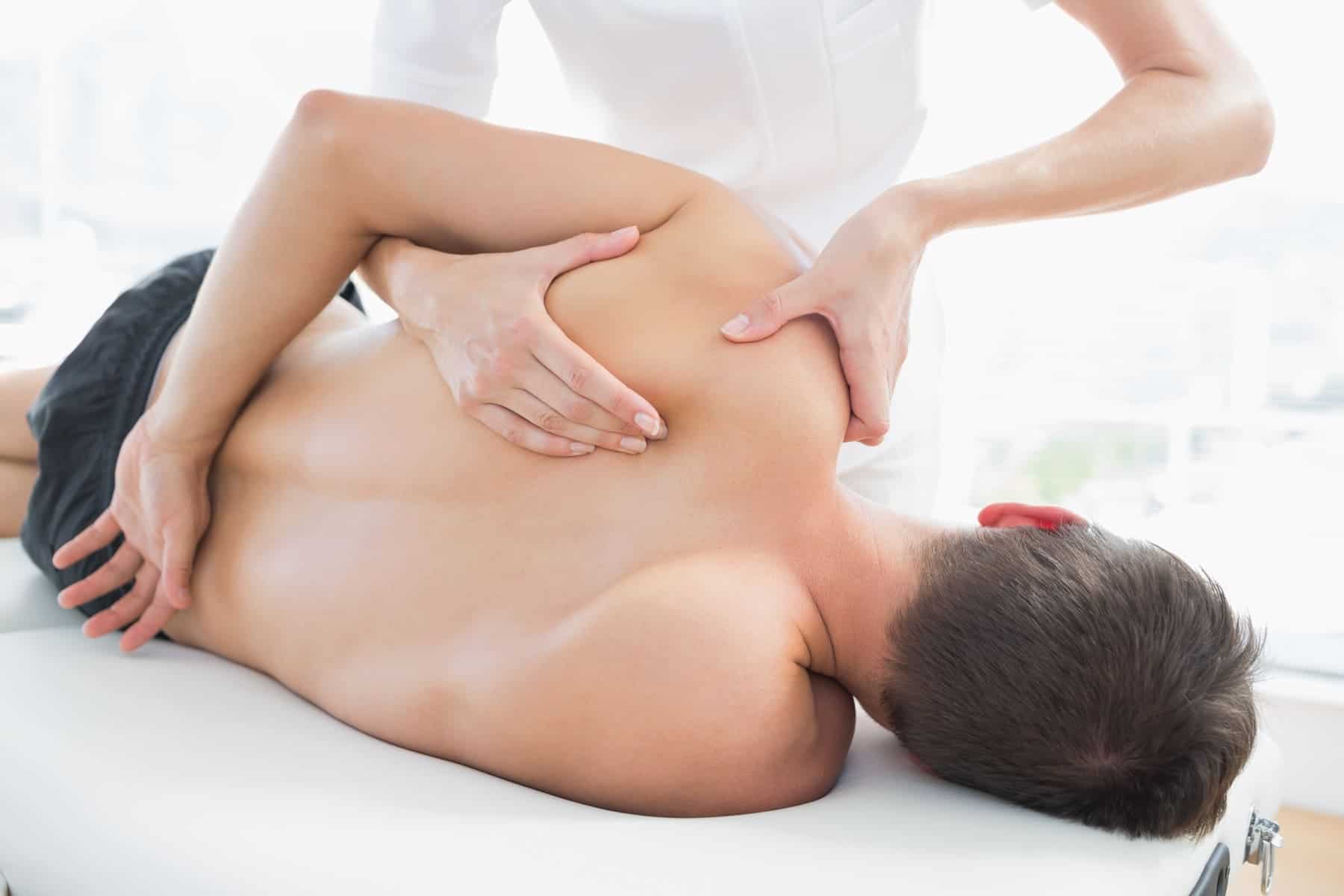
When discomfort starts getting in the way of everyday life.
Musculoskeletal pain and stiffness can affect how you work, exercise, sleep and move through your day.
You might be dealing with a new complaint or something that's been bothering you for months.
Recurring neck and shoulder pain
Your neck or shoulders keep becoming sore, particularly after work, driving or exercise.
An injury that keeps flaring up
You've returned to activity, but the same muscular problem continues to interrupt training.
Persistent back or hip discomfort
Sitting, standing, walking or certain movements have become uncomfortable.
Muscle tightness that keeps returning
You've tried hands-on treatment before but want to understand what may be contributing to recurring symptoms.
Movement-related pain
You're avoiding certain exercises or everyday movements because they provoke discomfort.
Managing pain as you get older
You want to remain active and would appreciate a considered approach to musculoskeletal care.
What is myotherapy?
Myotherapy focuses on the assessment and management of musculoskeletal pain and dysfunction, particularly complaints involving muscles and related soft tissues.
Your myotherapist considers how your symptoms developed, what aggravates them, how you move and what you're hoping to achieve.
Treatment may include hands-on soft tissue therapy, movement advice and rehabilitation exercises, depending on your clinical presentation.
Some patients benefit from a predominantly manual treatment approach. Others need a more structured management plan.
Your treatment should reflect your individual needs rather than follow the same routine for every patient.
At WHL, myotherapy appointments are designed for people who want clinical assessment alongside appropriate hands-on treatment and practical management advice.
What happens during a myotherapy consultation?
Your first appointment begins with understanding your symptoms and what matters most to you.
1. We listen to your story
We'll discuss your symptoms, health history, previous injuries, daily activities and the things you'd like to return to doing.
2. We assess your movement
Depending on your presentation, your myotherapist may examine movement, muscle function, strength and other relevant aspects of your complaint.
3. Treatment and next steps
We'll explain suitable treatment options, provide hands-on care where appropriate and discuss useful exercises or management strategies.
Myotherapy for muscle pain, injuries and recurring symptoms.
Our Williamstown myotherapy service supports people experiencing a range of musculoskeletal concerns. An individual assessment helps determine whether myotherapy is appropriate for you.
Neck and shoulder pain
Muscular discomfort, stiffness and movement-related symptoms affecting the neck and shoulders.
Back and hip pain
Musculoskeletal complaints affecting sitting, standing, walking or everyday activity.
Sports injuries
Muscle strains, recurring soreness and complaints associated with training and returning to sport.
Work-related muscle discomfort
Symptoms associated with repetitive tasks, sustained positions and physical work.
Persistent muscular pain
Ongoing symptoms where further assessment and management planning may be useful.
Movement and rehabilitation
Individualised strategies that support strength, movement and a gradual return to activity.
Hands-on treatment with a plan that suits you.
Myotherapy often combines manual treatment with clinical reasoning, education and practical rehabilitation.
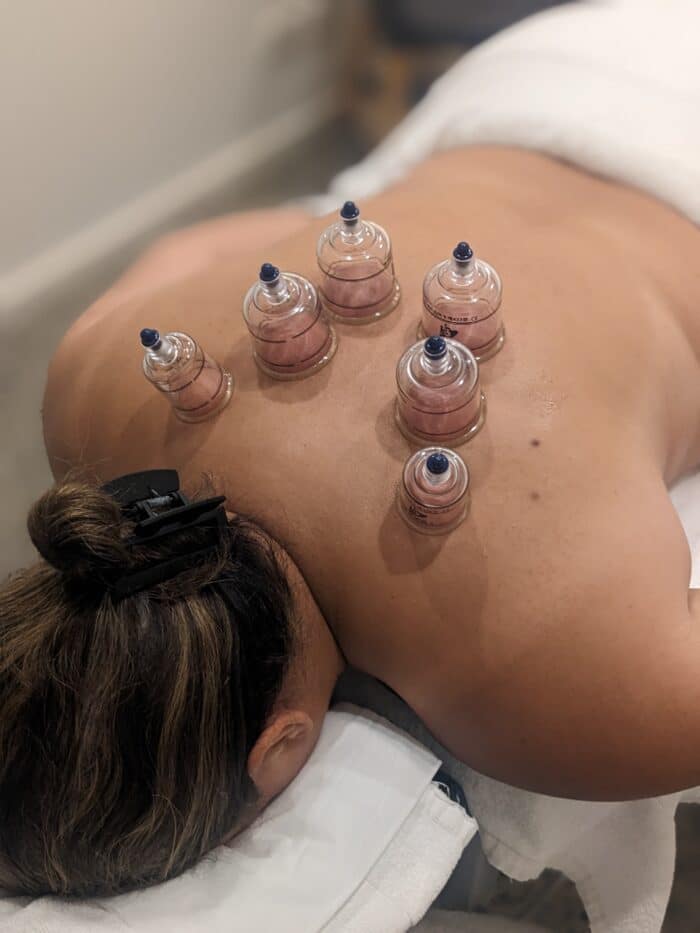
Depending on your needs, your appointment may involve:
- Soft tissue massage and manual therapy
- Trigger point treatment
- Movement and muscle function assessment
- Dry needling where appropriate and consented to
- Cupping therapy where appropriate
- Individualised exercise recommendations
- Advice on modifying activity or training
- Review and progression of your management plan
Your myotherapist will explain the available options and discuss what is appropriate for your presentation before treatment.
Book MyotherapyMyotherapy or remedial massage?
Both services can include hands-on soft tissue treatment, but they have different priorities at WHL.
Choose myotherapy
If you're experiencing recurring musculoskeletal symptoms, have a specific injury concern or want more detailed assessment.
Your appointment may include clinical examination, hands-on treatment and rehabilitation planning.
Book MyotherapyChoose remedial massage
If your priority is hands-on massage for tight muscles, general soreness, sports recovery or ongoing muscle maintenance.
Our remedial massage appointments focus on quality hands-on treatment rather than extensive clinical assessment.
Explore Remedial MassageUnsure which service to book? Contact our team to discuss your needs.
Myotherapy within a broader allied health team.
At Williamstown Health + Lifestyle, myotherapy is part of a multidisciplinary allied health clinic.
Our team provides osteopathy, physiotherapy, remedial massage and other health services.
If your symptoms would benefit from another type of assessment or treatment, we can discuss an appropriate referral.
For dedicated headache and concussion assessment and management, you can also explore our sister clinic, Melbourne Headache & Concussion Group .
Myotherapy questions answered.
What is myotherapy?
Myotherapy focuses on assessing and managing musculoskeletal pain and dysfunction, particularly complaints involving muscles and related soft tissues.
What is the difference between myotherapy and remedial massage?
Both may involve hands-on treatment. At WHL, myotherapy places greater emphasis on clinical assessment, management planning and rehabilitation. Remedial massage focuses more on hands-on treatment for muscle tension and soreness.
Does myotherapy include massage?
Yes. Massage and other soft tissue techniques can be part of myotherapy, alongside assessment, education and exercise when appropriate.
Can myotherapy help with neck and shoulder pain?
Myotherapy may be suitable for some musculoskeletal neck and shoulder complaints. An individual assessment helps determine appropriate management.
What happens at my first appointment?
Your practitioner discusses your symptoms and health history, performs a relevant clinical assessment and explains suitable treatment options.
Will I be given exercises?
Exercises may be recommended when relevant to your presentation and goals. Your myotherapist will explain their purpose.
Does myotherapy include dry needling?
Some appropriately trained myotherapists offer dry needling. Suitability depends on your presentation and informed consent. It is not required for everyone.
Does myotherapy include cupping?
Cupping may be offered by practitioners trained in the technique when appropriate. It is one possible treatment option, not an essential part of myotherapy.
Can I claim myotherapy on private health insurance?
Some Australian private health policies include myotherapy benefits. Coverage depends on your insurer, policy and practitioner eligibility.
Do I need a referral?
Generally, a GP referral isn't required for a private myotherapy appointment. Some funding arrangements may have additional requirements.
Myotherapy in Williamstown, Melbourne.
Williamstown Health + Lifestyle welcomes patients from Williamstown, Newport, Altona, Spotswood, Yarraville, Seddon and surrounding Melbourne suburbs.
Whether you're managing recurring muscle discomfort, returning to exercise or looking for help with a musculoskeletal complaint, our team can discuss suitable treatment options.
Williamstown Health + Lifestyle
95/99A Douglas Parade
Williamstown VIC 3016
Parking available at the rear via Napier Street.
Phone: 03 9397 8877
Book Myotherapy