As we move through our 40s, 50s and beyond, many of us notice subtle changes in how our bodies feel and recover.
The morning stiffness lasts a little longer. Exercise that once felt easy now requires more recovery. Old injuries become more noticeable and niggling aches can start to impact the activities we enjoy.
While there is no magic pill for healthy ageing, there are evidence-informed strategies that may help support your body’s recovery, resilience and overall wellbeing.
At Williamstown Health + Lifestyle, we’re often asked whether supplements can play a role in supporting joint health, muscle recovery and maintaining an active lifestyle.
The answer is that while supplements should never replace a healthy diet, regular exercise and good sleep, some may provide valuable support alongside these foundations.
Why Recovery Matters More As We Age
As we get older, our bodies naturally become less efficient at repairing and rebuilding tissues.
Changes in muscle mass, tendon health, hormone levels and recovery capacity can mean that activities we previously bounced back from now take a little longer.
For many people, this isn’t about training for a marathon or competing in sport.
It’s about staying active enough to enjoy walking, travelling, gardening, Pilates, strength training, playing with grandchildren or participating in community sport.
Supporting recovery becomes increasingly important if we want to continue doing the things we love.
Supplements We Commonly Recommend
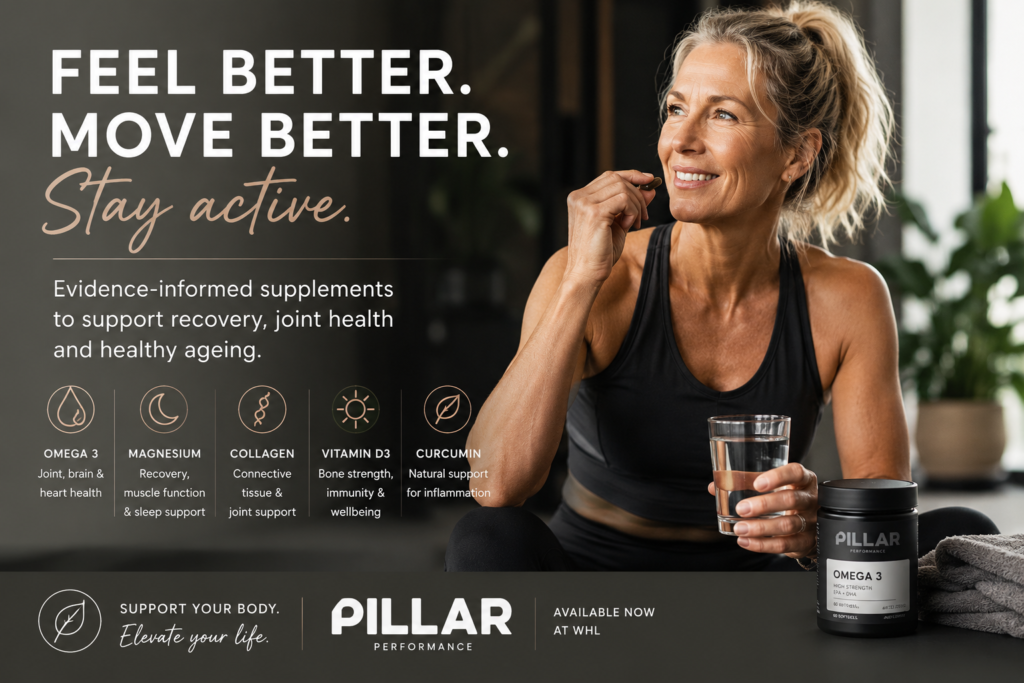
Collagen for Tendon, Ligament and Joint Health
Collagen is one of the body’s primary structural proteins and plays an important role in tendons, ligaments, cartilage and connective tissue.
Research suggests collagen supplementation may help support tendon health and tissue repair, particularly when combined with an appropriate exercise program.
For individuals managing tendon pain, joint stiffness or age-related changes in connective tissues, collagen can be a useful addition to a broader management plan.
Magnesium for Recovery and Sleep
Magnesium is involved in hundreds of processes throughout the body, including muscle function, nervous system regulation and energy production.
Many people associate magnesium with reducing muscle cramps, but it may also help support relaxation, recovery and quality sleep.
Considering how important sleep is for recovery, magnesium can play an indirect but valuable role in helping the body repair and restore itself.
Omega-3 for Joint and Brain Health
Omega-3 fatty acids are essential fats that play important roles throughout the body.
They support heart health, brain function and healthy inflammatory processes.
For people looking to maintain an active lifestyle, omega-3 supplementation may help support overall joint health and recovery.
Vitamin D3 for Bone Health and Immunity
Vitamin D plays a critical role in bone health, muscle function and immune system support.
Despite Australia’s sunny climate, vitamin D deficiency remains relatively common, particularly during winter months or in people who spend limited time outdoors.
Maintaining adequate vitamin D levels is an important part of supporting long-term health and physical function.
Curcumin for Inflammation Support
Curcumin is the active compound found in turmeric and has been widely researched for its role in supporting the body’s natural inflammatory response.
While inflammation is an important part of healing, persistent low-grade inflammation can contribute to discomfort and reduced quality of life.
Curcumin may help support healthy inflammatory processes and assist people in remaining active and comfortable.
Why We’ve Chosen PILLAR
At WHL, we’re focused on helping you stay active, independent and doing the things you love.
These supplements aren’t just about chasing elite performance.
They’re about supporting your body so you can keep moving well, exercising confidently and enjoying life.
The Bigger Picture
While supplements can be helpful, they are rarely the complete solution.
The biggest drivers of healthy ageing continue to be:
- Regular strength training
- Consistent physical activity
- Quality sleep
- Adequate protein intake
- Stress management
- Maintaining social connection
- Appropriate rehabilitation when injuries occur
Supplements work best when they support these healthy habits, rather than replace them.
How We Approach Supplementation at WHL
At Williamstown Health + Lifestyle, we don’t believe in recommending supplements simply because they’re popular.
Our goal is to help people make informed decisions based on their individual goals, health history and lifestyle.
Whether you’re managing a persistent niggle, recovering from an injury or simply looking to stay active and healthy as you age, our team can help determine whether supplementation may be appropriate as part of your overall health plan.
Want to Learn More?
If you’d like to discuss whether collagen, magnesium, omega-3, vitamin D3 or curcumin may be suitable for you, speak with one of our practitioners during your next appointment.
Because healthy ageing isn’t about slowing down.
It’s about continuing to do the things you love for as long as possible.